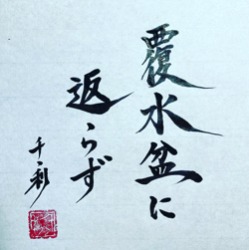
Japanese Proverbs
Welcome! I’m Arasen (Arai Ryuichi), an elementary school principal and calligrapher in Japan. Here I explain Japanese proverbs – kotowaza – in simple English: what they mean, where they come from, and how Japanese people really use them, with short comedy skits, example sentences and quizzes.Every piece of calligraphy you see here is written by my own hand. I hope these old words give you a little courage and a smile.
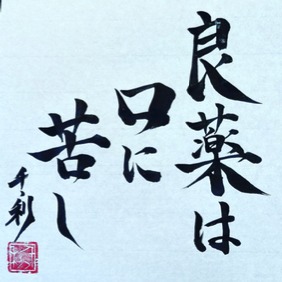
Ryoyaku wa Kuchi ni Nigashi (良薬は口に苦し) Meaning: “Good Medicine Tastes Bitter”
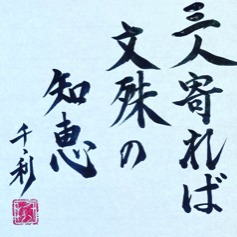
Sannin Yoreba Monju no Chie (三人寄れば文殊の知恵) Meaning: “Three Heads Make the Wisdom of Monju”
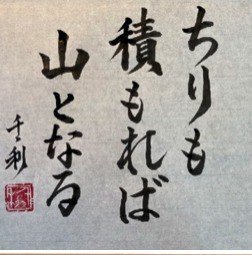
Chiri mo Tsumoreba Yama to Naru (ちりも積もれば山となる) Meaning: “Even Dust, Piled Up, Becomes a Mountain”

Ame Futte Ji Katamaru (雨ふって地固まる) Meaning: “After the Rain, the Ground Grows Firm”
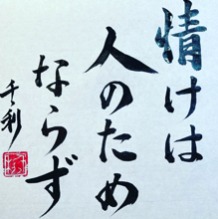
Nasake wa Hito no Tame Narazu (情けは人のためならず) Meaning: “Kindness Is Not Just for Others”
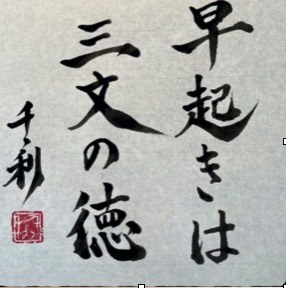
Hayaoki wa Sanmon no Toku (早起きは三文の徳) Meaning: “Getting Up Early Earns You Three Mon”
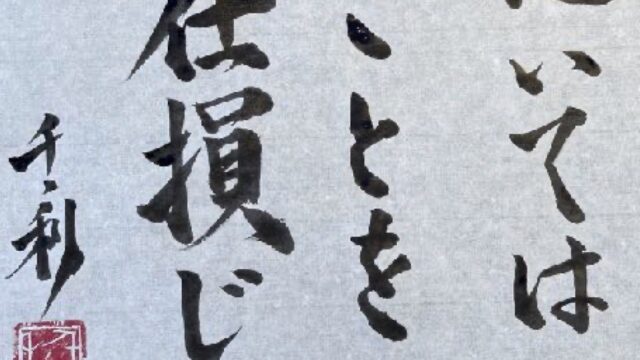
Seite wa Koto o Shisonjiru (急いてはことを仕損じる) Meaning: “Haste Makes Waste”
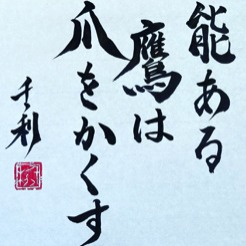
No Aru Taka wa Tsume o Kakusu (能ある鷹は爪をかくす) Meaning: “The Skilled Hawk Hides Its Talons”
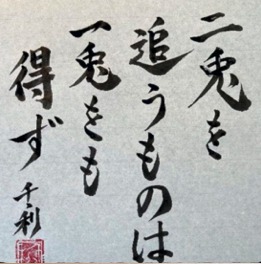
Nito o Ou Mono wa Itto o mo Ezu (二兎を追うものは一兎をも得ず) Meaning: “Chase Two Rabbits, Catch Neither”