Japanese Proverbs
Welcome! I’m Arasen (Arai Ryuichi), an elementary school principal and calligrapher in Japan. Here I explain Japanese proverbs – kotowaza – in simple English: what they mean, where they come from, and how Japanese people really use them, with short comedy skits, example sentences and quizzes.Every piece of calligraphy you see here is written by my own hand. I hope these old words give you a little courage and a smile.
10 Japanese Proverbs (Kotowaza) with Meanings – Explained by a Japanese School Principal
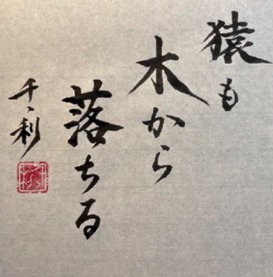
Saru mo Ki kara Ochiru (猿も木から落ちる) Meaning: “Even Monkeys Fall from Trees”
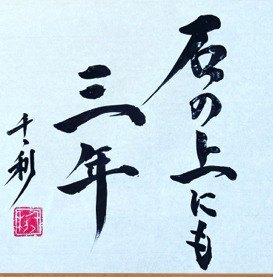
Ishi no Ue ni mo Sannen (石の上にも三年) Meaning: “Three Years on a Cold Stone”
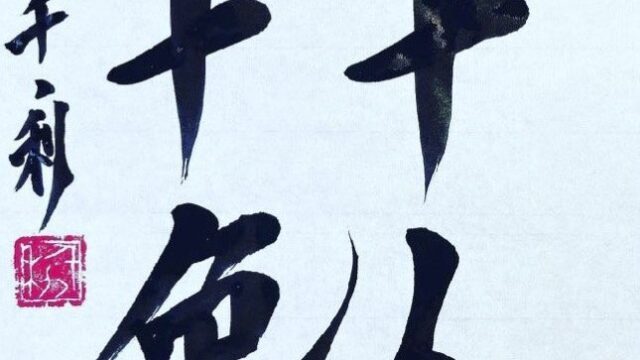
Junin Toiro (十人十色) Meaning: “Ten People, Ten Colors”
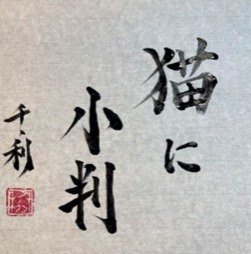
Neko ni Koban (猫に小判) Meaning: “Gold Coins to a Cat”
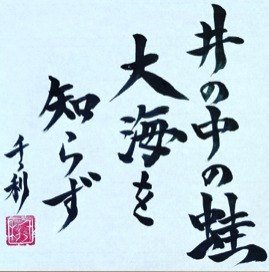
I no Naka no Kawazu (井の中の蛙大海を知らず) Meaning: “A Frog in a Well Knows Nothing of the Great Ocean”
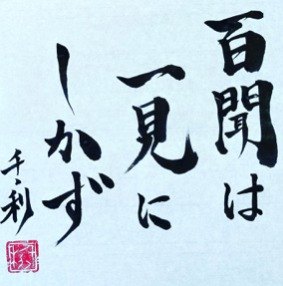
Hyakubun wa Ikken ni Shikazu (百聞は一見にしかず) Meaning: “Seeing Once Beats Hearing a Hundred Times”
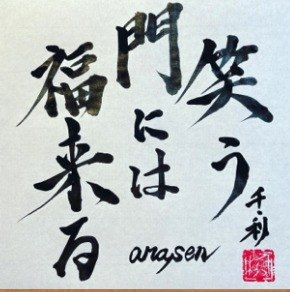
Warau Kado ni wa Fuku Kitaru (笑う門には福来る) Meaning: “Good Fortune Comes to a Home Full of Laughter”
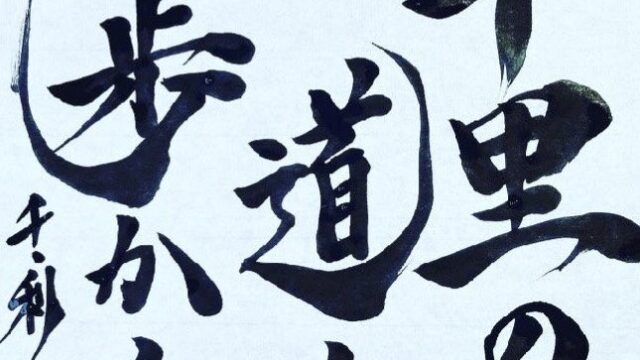
Senri no Michi mo Ippo kara (千里の道も一歩から) Meaning: “A Journey of a Thousand Miles Begins with One Step”