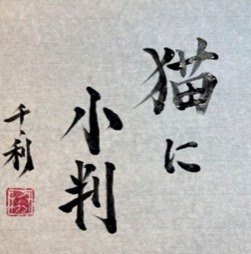
猫に小判
neko ni koban
What would a cat do if you gave it a shiny gold coin? Probably sniff it – and walk away. That is neko ni koban (猫に小判), a short and very popular Japanese proverb.
I’m Arasen, an elementary school principal and calligrapher in Japan. Let me explain it with a little help from an old vase in the closet.
Quick Facts
| Japanese | 猫に小判 |
|---|---|
| Reading | ねこにこばん |
| Romaji | neko ni koban |
| Literally | Gold coins to a cat |
| Meaning | Something valuable is useless to someone who doesn’t understand its worth. |
| English cousin | Cast pearls before swine. |
What Does It Mean?
However valuable something is, it’s of no use to someone who can’t understand its value.
It is used with a smile, often about gifts – or about yourself, when you don’t understand something fancy.
Word by Word
| 猫 | neko – cat |
|---|---|
| に | ni – to |
| 小判 | koban – an oval gold coin used in the Edo period (1603–1868) |
Where Does It Come From?
A koban was a small, oval gold coin used in Japan’s Edo period. It was worth a lot of money.
But only humans think a koban is valuable. Give one to a cat, and the cat won’t care at all. That simple picture became this proverb.
A Word from Arasen

A koban was an expensive coin used in the Edo period. One coin was worth about 100,000 yen in today’s money.
But the only ones who think it’s valuable are humans, right?
Give it to a cat, and the cat won’t be happy. It will glance at it and walk right past.
In the same way, however precious something is, it’s useless to someone who doesn’t understand its value – that’s the advice from people long ago.
A fancy fountain pen is a “nice thing” to adults, but children don’t really get it.
And the father who gave it sighs, “Well… that was neko ni koban for my son.” It happens all the time!
(Translated from Arasen’s original Japanese.)
How to Use It
A Short Skit
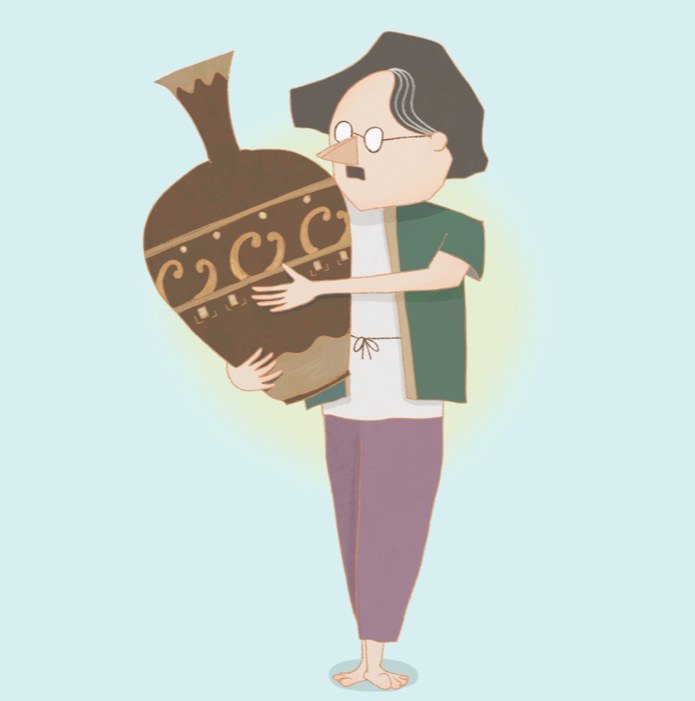
Mom, what’s this vase in the closet?
お母さん、押し入れの中にある、このツボなあに?Nozomi, that’s an antique vase your dad got from his company president years ago. It seems to be very expensive, but your dad doesn’t really like it. He didn’t know what to do with it, so it ended up in the closet.
のぞみ、昔、お父さんが社長さんからもらった骨董品のツボよ。ものすごく高価なものみたいだけど、お父さんにとっては、いまいち好みじゃないみたいなのよ。結局、使い道がわからず、押し入れにしまっているのよ。That’s totally neko ni koban!
まさに猫に小判やなぁ“Chan-chan” is the little “ta-da!” sound that closes a comedy skit in Japan.
Example Sentences
- Even if you give the latest game console to my grandpa, who has no interest in games, it’s neko ni koban.
最新のゲーム機をもらっても、ゲームに興味のない祖父には猫に小判だ。 - A painting by a famous artist is neko ni koban for my little brother – he doesn’t care about art at all.
有名な画家の絵をもらっても、絵にまったく興味のない弟には猫に小判だ。
Similar Japanese Proverbs
- 豚に真珠Buta ni shinju
“Pearls to a pig.” Almost the same meaning – and it came into Japanese from the Bible’s “pearls before swine.” - 馬の耳に念仏Uma no mimi ni nenbutsu
“Buddhist prayers in a horse’s ear.” Good advice that goes in one ear and out the other.
Similar Sayings in English
- Cast pearls before swine.
- It’s wasted on him.
Japanese has both: the cat with a gold coin, and the pig with pearls. Which picture do you like better?
Quick Quiz
Which proverb has almost the same meaning as neko ni koban?
- A. Buta ni shinju (豚に真珠)
- B. Saru mo ki kara ochiru (猿も木から落ちる)
- C. Ishi no ue ni mo san-nen (石の上にも三年)
Show the answer
The answer is A. Buta ni shinju – “pearls to a pig.” Both mean that good things are wasted on those who can’t see their value.
Free Worksheet for Teachers
Teaching Japanese? Download a free printable worksheet for this proverb – with the skit, a fill-in-the-blank, a quiz and a writing task (10 proverbs, A4, with answer key).
Read More
- 30 Japanese Proverbs (Kotowaza) with Meanings – all in one place
- Junin Toiro (十人十色) – Ten People, Ten Colors
- Hyakubun wa Ikken ni Shikazu (百聞は一見にしかず) – Seeing Once Beats Hearing a Hundred Times
- Tonari no Shibafu wa Aoi (隣の芝生は青い) – The Neighbor’s Lawn Is Greener
- 猫に小判(日本語の記事)
- ことわざ 目次(250+ proverbs in Japanese)