 Arasen
Kotowaza (ことわざ) are Japanese proverbs – short sayings that carry the wisdom of people from long ago. Japanese children learn them at school, play card games with them, and hear them from their grandparents.
I’m Arasen, an elementary school principal and calligrapher in Japan. I have explained more than 250 kotowaza for Japanese children. Here are 30 of the best-loved ones, chosen for people learning about Japan. Each one is written in my own calligraphy.
Proverbs About Never Giving Up
When things get hard, Japanese people reach for these. They are my favorites to give to children before a big challenge.
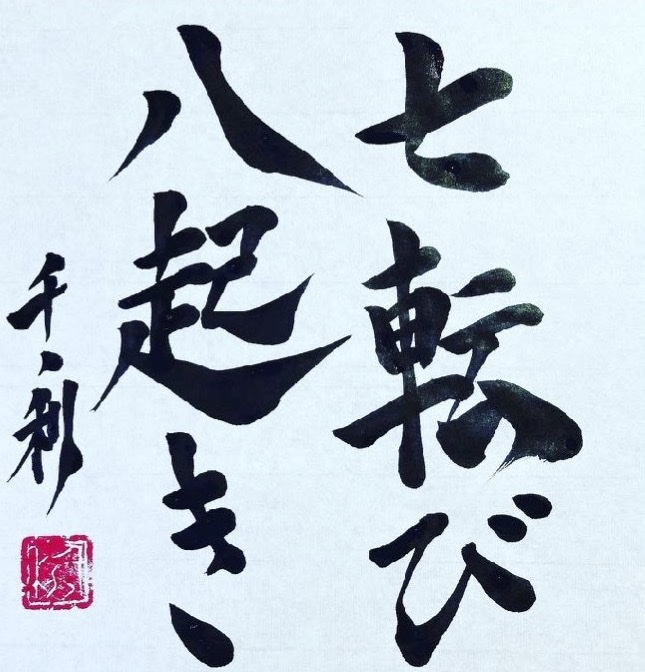
七転び八起き
nana-korobi ya-oki – “Seven falls, eight risings”
Meaning: Never give up, however many times you fail.
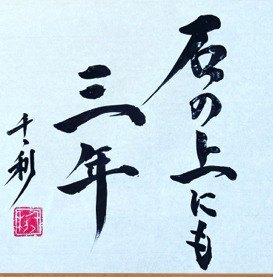
石の上にも三年
ishi no ue ni mo san-nen – “Even on a stone, three years”
Meaning: Be patient and keep going – your effort will be rewarded.
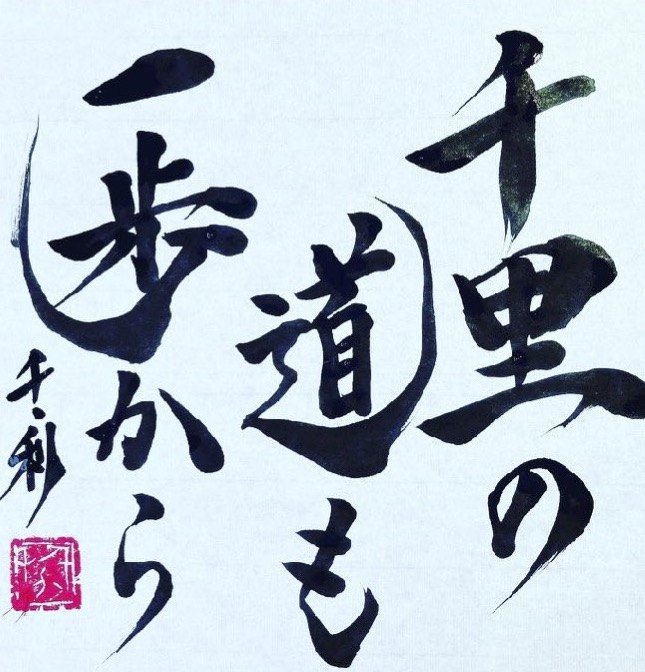
千里の道も一歩から
senri no michi mo ippo kara – “Even a road of a thousand ri, from one step”
Meaning: Every great achievement starts with a small first step.
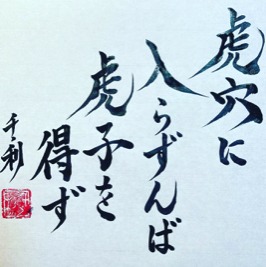
虎穴に入らずんば虎子を得ず
koketsu ni irazunba koji o ezu – “If you don’t enter the tiger’s den, you won’t get the tiger’s cub”
Meaning: Without taking risks, you can’t achieve great success.
Proverbs About Patience and Small Steps
Slow down, start early, and keep adding a little every day.
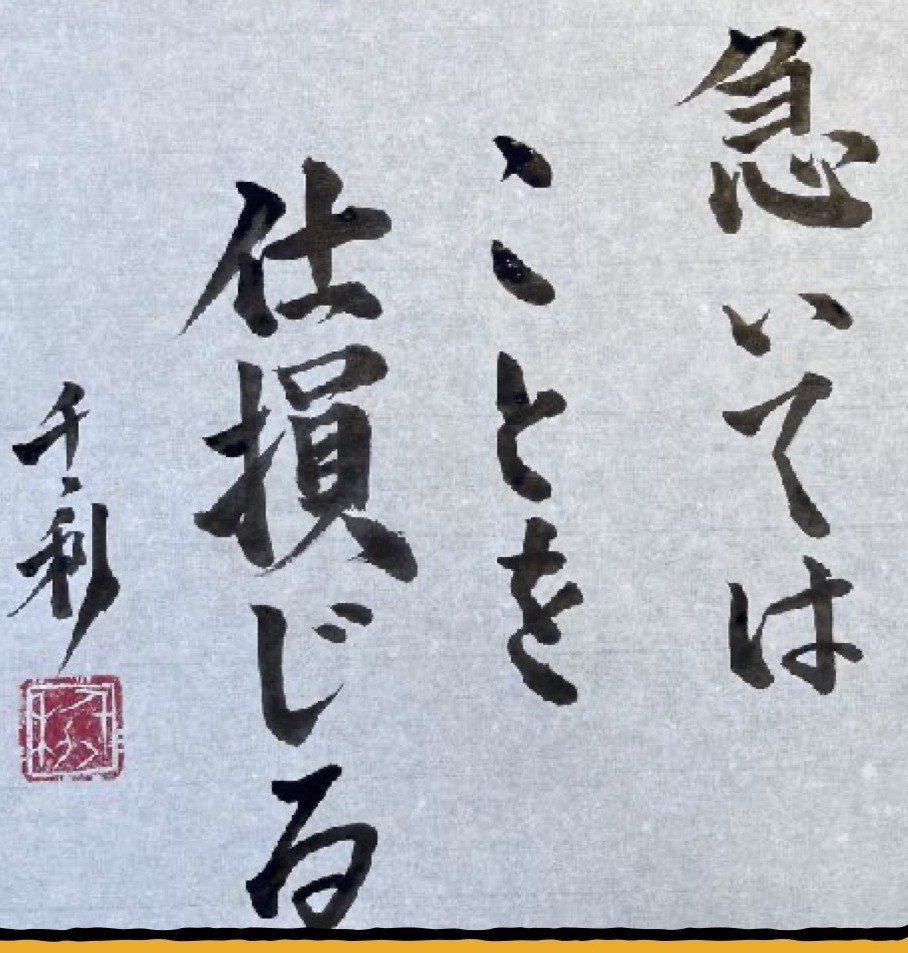
急いてはことを仕損じる
seite wa koto o shisonjiru – “If you hurry, you will botch the job”
Meaning: Rushing leads to mistakes.
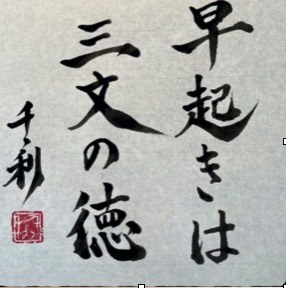
早起きは三文の徳
hayaoki wa sanmon no toku – “Early rising is worth three mon”
Meaning: If you get up early, good things happen.
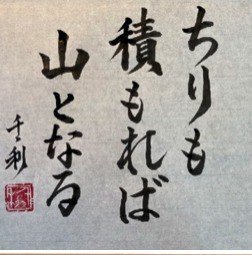
ちりも積もれば山となる
chiri mo tsumoreba yama to naru – “Even dust, if it piles up, becomes a mountain”
Meaning: Small things add up to something big.
Proverbs About Mistakes and Staying Humble
Everyone slips sometimes – and the world is always bigger than we think.
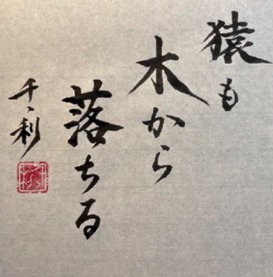
猿も木から落ちる
saru mo ki kara ochiru – “Even monkeys fall from trees”
Meaning: Even experts make mistakes.
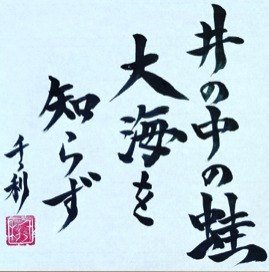
井の中の蛙大海を知らず
i no naka no kawazu taikai o shirazu – “The frog in the well does not know the great sea”
Meaning: Having a narrow view without knowing how big the world is.
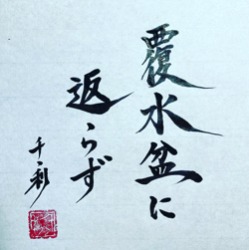
覆水盆に返らず
fukusui bon ni kaerazu – “Spilled water does not return to the tray”
Meaning: Once something is done, it can’t be undone.
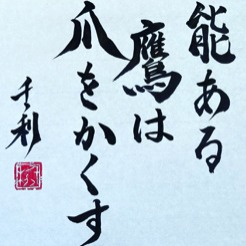
能ある鷹は爪をかくす
nō aru taka wa tsume o kakusu – “A capable hawk hides its claws”
Meaning: Really talented people don’t show off.
Proverbs About Plans and Dreams
Big dreams are wonderful – as long as they don’t stay pictures on paper.
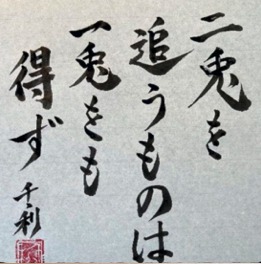
二兎を追うものは一兎をも得ず
nito o ou mono wa itto o mo ezu – “One who chases two rabbits does not get even one”
Meaning: Chasing two goals at once, you may end up with nothing.
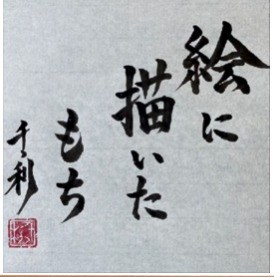
絵に描いた餅
e ni kaita mochi – “A rice cake drawn in a picture”
Meaning: A plan that looks good but is useless in reality.
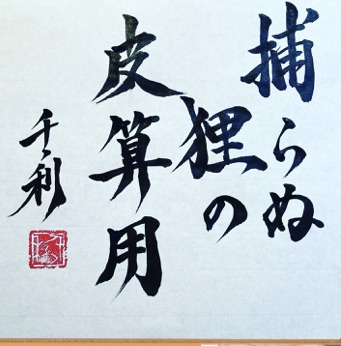
捕らぬ狸の皮算用
toranu tanuki no kawazan’yō – “Calculating the fur of a tanuki you haven’t caught”
Meaning: Making plans based on things you don’t have yet.
Proverbs About Luck and Hard Times
Good luck, bad luck – who knows? These proverbs help you keep going.
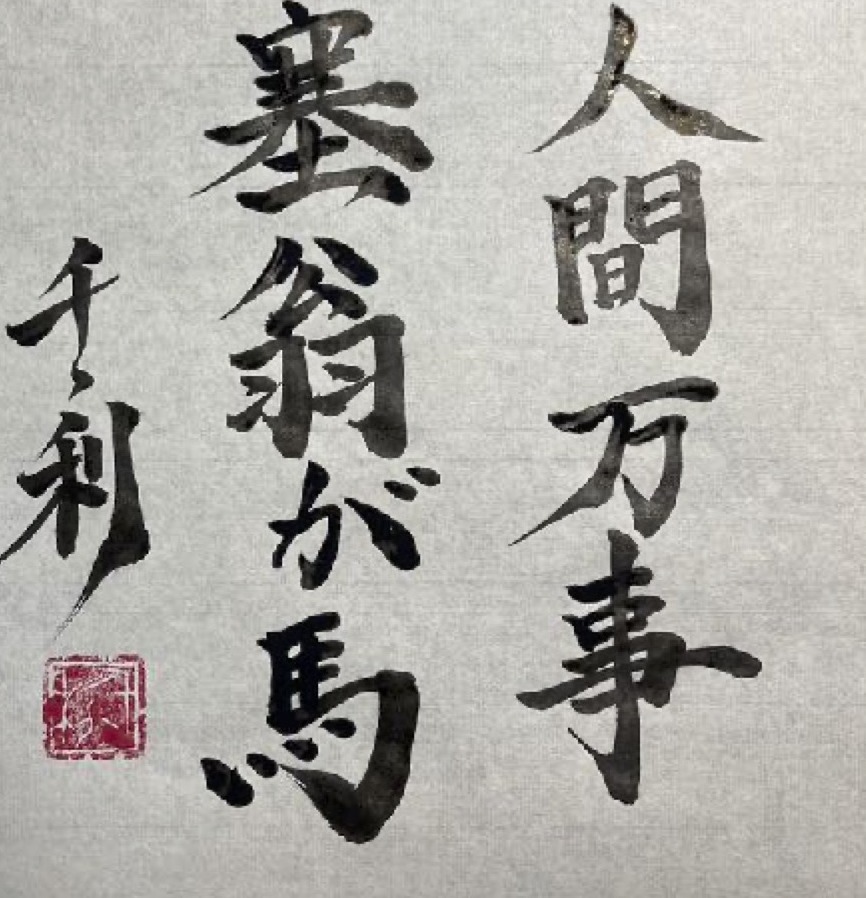
人間万事塞翁が馬
ningen banji saiō ga uma – “In the human world, everything is (like) the old frontier man’s horse”
Meaning: You can never tell whether something will turn out lucky or unlucky.

雨ふって地固まる
ame futte ji katamaru – “Rain falls, the ground hardens”
Meaning: After trouble, things often become better than before.
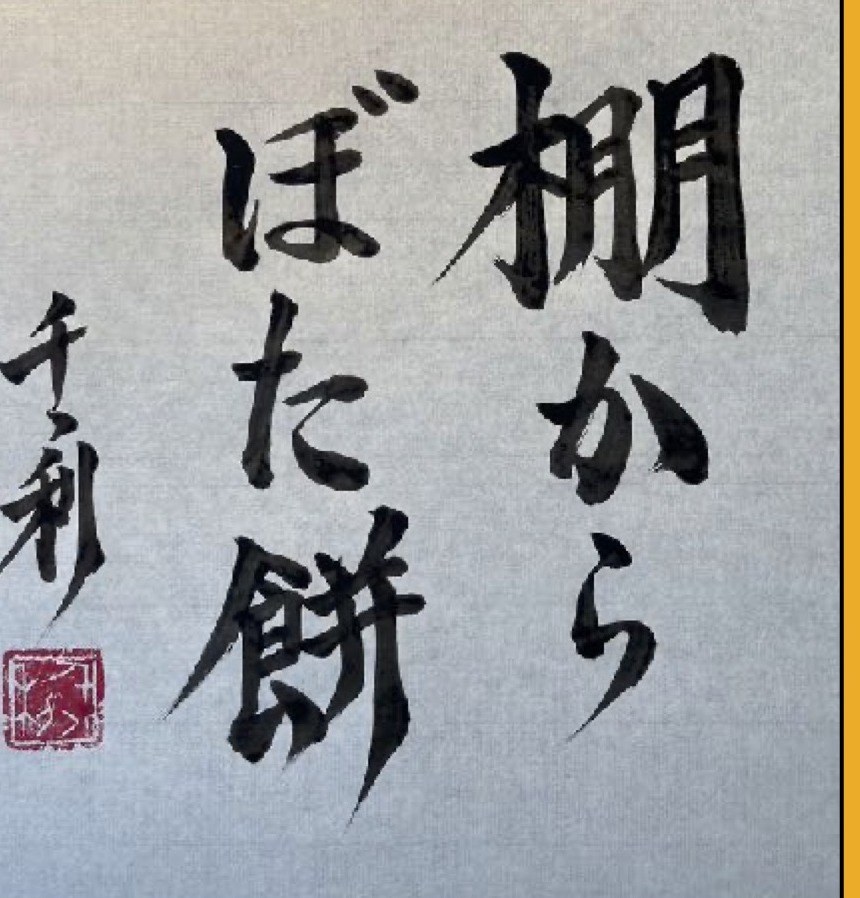
棚からぼた餅
tana kara botamochi – “A botamochi from the shelf”
Meaning: A lucky windfall that comes without any effort.
Proverbs About People and Kindness
Friends, family, teamwork – and the kindness that always comes back.
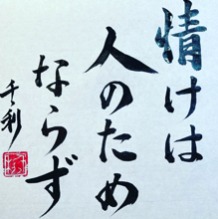
情けは人のためならず
nasake wa hito no tame narazu – “Kindness is not for the sake of others (only)”
Meaning: Be kind – it will come back to you in the end.
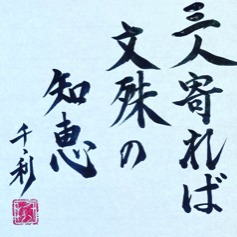
三人寄れば文殊の知恵
sannin yoreba monju no chie – “If three people gather, (they have) the wisdom of Monju”
Meaning: Ordinary people, thinking together, can come up with great ideas.
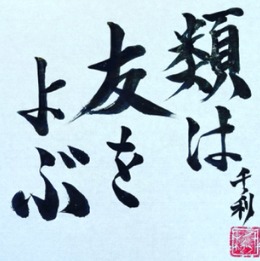
類は友をよぶ
rui wa tomo o yobu – “Kind calls friends”
Meaning: Similar people naturally gather together.
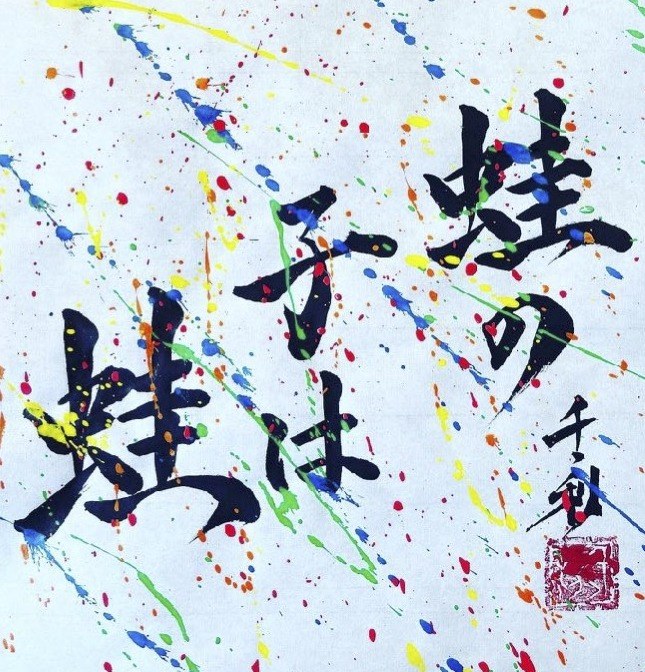
蛙の子は蛙
kaeru no ko wa kaeru – “A frog’s child is a frog”
Meaning: Children turn out like their parents.
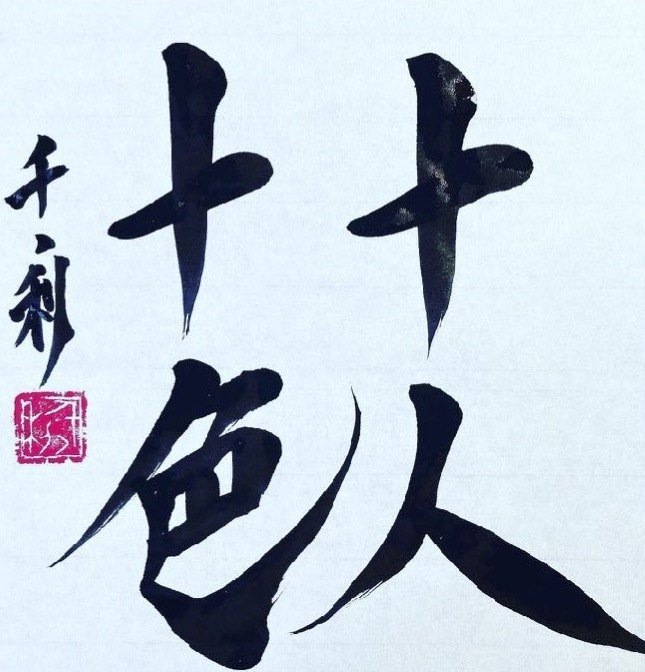
十人十色
jū-nin to-iro – “Ten people, ten colors”
Meaning: Everyone has different tastes and ideas.
Proverbs About What Really Matters
How we see value – and why you should see things with your own eyes.
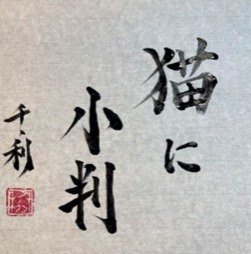
猫に小判
neko ni koban – “Gold coins to a cat”
Meaning: Something valuable is useless to someone who doesn’t understand its worth.
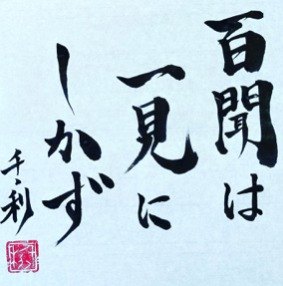
百聞は一見にしかず
hyakubun wa ikken ni shikazu – “A hundred hearings are not equal to one seeing”
Meaning: Seeing something yourself is far better than hearing about it.
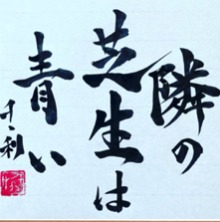
隣の芝生は青い
tonari no shibafu wa aoi – “The neighbor’s lawn is green”
Meaning: Other people’s things always look better than our own.
Proverbs About Advice and Mastery
Words from masters and mentors – including one about the greatest calligrapher in Japanese history.
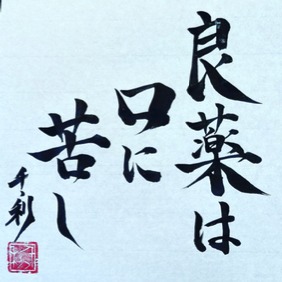
良薬は口に苦し
ryōyaku wa kuchi ni nigashi – “Good medicine is bitter in the mouth”
Meaning: Good advice is hard to hear, but it helps you.
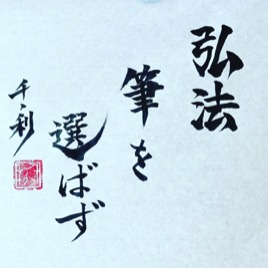
弘法筆を選ばず
Kōbō fude o erabazu – “Kōbō does not choose his brush”
Meaning: A true expert does excellent work with any tool.
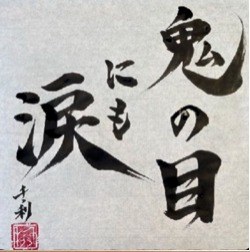
鬼の目にも涙
oni no me ni mo namida – “Tears even in the eyes of an ogre”
Meaning: Even a harsh person can be moved to compassion.
Proverbs About Happiness and Strength
Finish with a smile – and an ogre with an iron club!
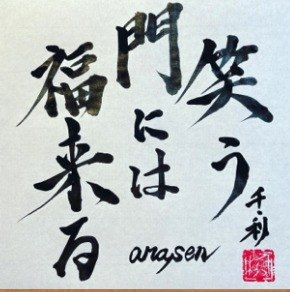
笑う門には福来る
warau kado ni wa fuku kitaru – “To the gate of laughing people, fortune comes”
Meaning: Happiness comes to cheerful people and homes.
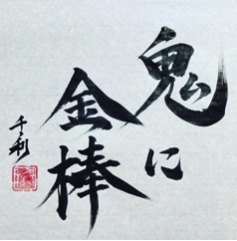
鬼に金棒
oni ni kanabō – “An iron club for an ogre”
Meaning: The strong get something that makes them even stronger.
Free Worksheets for Teachers
If you teach Japanese, you are welcome to use my printable worksheets in class: one A4 sheet per proverb (30 sheets), with the calligraphy, a short skit, fill-in-the-blank, a quiz and a writing task – plus an answer key.
Download the 30 worksheets (PDF, free) →
How to Use Kotowaza in Conversation
- Keep it short. Japanese people often say just the first half – for example, “I no naka no kawazu, desu ne” (“That’s a frog in a well, isn’t it?”).
- Use them to encourage, not to lecture. Saru mo ki kara ochiru is a kind way to comfort a friend after a mistake.
- Add “tte iu yo ne” (“as they say”) after a proverb to sound natural: “Nanakorobi yaoki tte iu yo ne!”
Which One Is Your Favorite?
Is there a proverb in your language that says the same thing? I would love to know. More kotowaza in English are on the way – and if you read Japanese, you can find all 250+ in my ことわざ 目次.
