雨ふって地固まる
ame futte ji katamaru
If you are going through a hard time right now, this proverb is for you: ame futte ji katamaru (雨ふって地固まる).
I’m Arasen, an elementary school principal and calligrapher in Japan. It’s one of the most hopeful proverbs I know – and it has been true in my own life.
Quick Facts
| Japanese | 雨ふって地固まる |
|---|---|
| Reading | あめふってじかたまる |
| Romaji | ame futte ji katamaru |
| Literally | Rain falls, the ground hardens |
| Meaning | After trouble, things often become better than before. |
| English cousin | After a storm comes a calm. |
What Does It Mean?
After something bad or a quarrel, things often become even better than before.
Word by Word
| 雨 | ame – rain |
|---|---|
| ふって | futte – falls, and then |
| 地 | ji – the ground, the earth |
| 固まる | katamaru – becomes firm, hardens |
Where Does It Come From?
When it rains, the ground turns to mud. But afterwards, as the water dries, the ground becomes firmer than before.
People saw the same thing in friendships and families: after a fight, the bond can become stronger.
A Word from Arasen

To you, going through something painful or a quarrel right now – here’s good news. Afterwards, you can be happier than before. That’s what this proverb means.
When it rains, the ground gets muddy and your shoes get dirty. But then the water dries, and the ground becomes even easier to walk on.
A fight with a friend feels awful. But once you understand each other, you can become even closer. Trouble can be a chance to understand each other’s feelings.
I have been through many crises myself – my parents’ divorce, difficult relationships at work, too many to list. But many times, after getting through them, things got better. Above all, I became stronger.
And once you’re stronger, the next time a similar trouble comes, you can get through it more easily. Isn’t that wonderful?
So to you who are struggling now: ame futte ji katamaru. Hang in there.
(Translated from Arasen’s original Japanese.)
How to Use It
A Short Skit
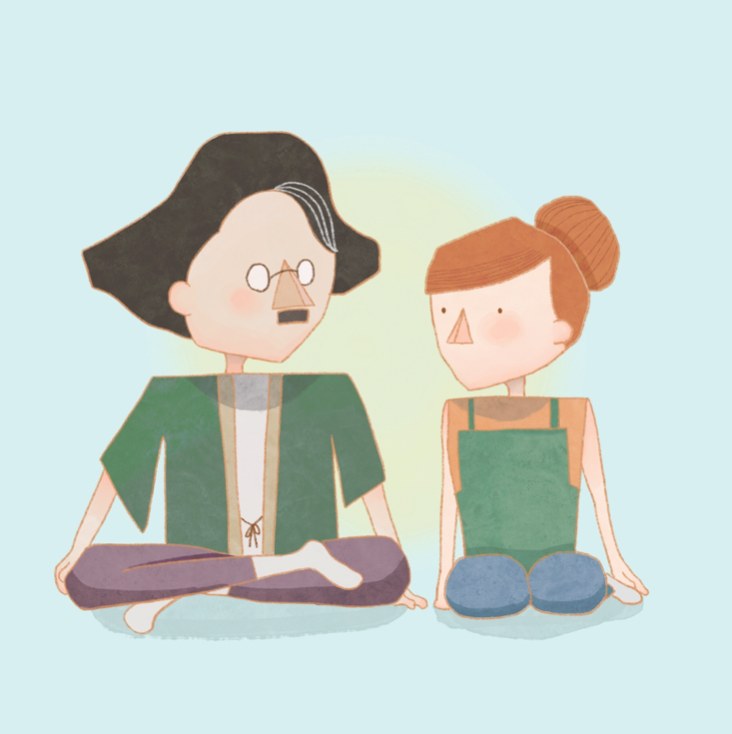
Nozomi, weren’t Mom and Dad fighting yesterday? Now they’re laughing together watching TV.
のぞみお姉ちゃん、昨日、お父さんとお母さん、喧嘩してなかったっけ。今、一緒にテレビみて楽しそうに笑ってるよKanae, you know the saying – ame futte ji katamaru. That’s what this is.
かなえ、雨ふって地固まるっていうでしょ。そういうこと。“Chan-chan” is the little “ta-da!” sound that closes a comedy skit in Japan.
Example Sentences
- The two who had a huge fight are now best friends. Ame futte ji katamaru.
大げんかをした二人が、今では大の仲よし。雨ふって地固まるだね。 - We argued in our meeting, but – ame futte ji katamaru – our class came together.
話し合いでもめたけれど、雨ふって地固まるで、クラスがまとまった。
Similar Japanese Proverbs
- 禍を転じて福と為すWazawai o tenjite fuku to nasu
“Turn misfortune into good fortune.”
Similar Sayings in English
- After a storm comes a calm.
- Every cloud has a silver lining.
A Spanish and Mexican saying goes, “A good friend is a friend you’ve fought with.”
Quick Quiz
What does ame futte ji katamaru mean?
- A. Don’t play outside on rainy days
- B. After trouble, things can become better
- C. The ground is always hard
Show the answer
The answer is B. Just as the ground hardens after rain, a relationship can grow stronger after a quarrel.
Watch the Lesson (in Japanese)
On my YouTube channel “Kyō kara tsukaeru kotowaza kōza” (Proverbs You Can Use from Today), I explain proverbs with short comedy skits. It’s in Japanese – a fun challenge for learners!
Free Worksheet for Teachers
Teaching Japanese? Download a free printable worksheet for this proverb – with the skit, a fill-in-the-blank, a quiz and a writing task (10 proverbs, A4, with answer key).