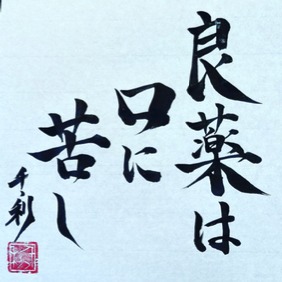
良薬は口に苦し
ryōyaku wa kuchi ni nigashi
Nobody likes being told their faults. But Japanese people remind each other: ryōyaku wa kuchi ni nigashi (良薬は口に苦し).
I’m Arasen, an elementary school principal and calligrapher in Japan. A mentor of mine taught me this proverb, and it changed how I listen to criticism.
Quick Facts
| Japanese | 良薬は口に苦し |
|---|---|
| Reading | りょうやくはくちににがし |
| Romaji | ryōyaku wa kuchi ni nigashi |
| Literally | Good medicine is bitter in the mouth |
| Meaning | Good advice is hard to hear, but it helps you. |
| English cousin | Good medicine tastes bitter. |
What Does It Mean?
Advice from others can be painful to hear, but it’s for your own good – so listen with an open heart.
Word by Word
| 良薬 | ryōyaku – good medicine |
|---|---|
| は口に | wa kuchi ni – in the mouth |
| 苦し | nigashi – is bitter (an old form of nigai) |
Where Does It Come From?
Medicine that works well is often bitter and hard to swallow. In the same way, good advice is good for you, but hard to accept.
The words are said to come from Confucius, the ancient Chinese thinker. The herbal medicines of his time were really bitter!
A Word from Arasen

Medicine that works well is bitter and hard to drink. In the same way, good advice helps you, but it’s hard to accept honestly.
Even when we think, “They’re right,” we want to cover our ears when we’re warned or advised.
But those words are said with you in mind. If you think “ryōyaku wa kuchi ni nigashi” and listen, you’ll be glad later.
My own mentor taught me this proverb and told me: “Treasure the people who point out your faults.” Since then, I’ve tried to be grateful when someone points out my weaknesses – hard as it is – and to stay close to such people.
We really can’t see our own faults ourselves. Let’s listen honestly, even to advice we’d rather not hear.
(Translated from Arasen’s original Japanese.)
How to Use It
A Short Skit
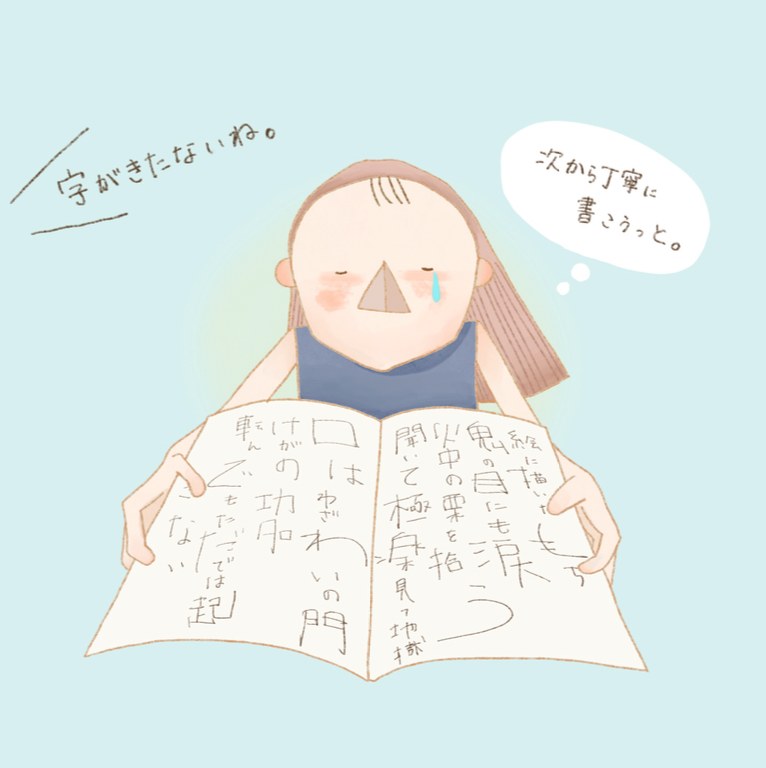
Kanae, the teacher told you your notebook handwriting was messy, didn’t she?
かなえちゃん、ノートの字が汚いって、先生に注意されてたね。Yeah. But ryōyaku wa kuchi ni nigashi – I’ll try to write neatly.
そうやねん。良薬は口に苦しって思って、丁寧に書くように頑張るよ“Chan-chan” is the little “ta-da!” sound that closes a comedy skit in Japan.
Example Sentences
- My teacher’s strict words were ryōyaku wa kuchi ni nigashi – they were for my own good.
先生のきびしい注意は、良薬は口に苦しで、ぼくのためを思ってのことだった。 - Ryōyaku wa kuchi ni nigashi – let’s listen honestly to our friends’ advice.
良薬は口に苦しというから、友だちのアドバイスも素直に聞こう。
Similar Japanese Proverbs
- 忠言耳に逆らうChūgen mimi ni sakarau
“Sincere advice grates on the ear.” Honest advice is hard to hear.
Similar Sayings in English
- Good medicine tastes bitter.
- The truth hurts.
Quick Quiz
Which proverb has a similar meaning?
- A. Neko ni koban (猫に小判)
- B. Oni ni kanabō (鬼に金棒)
- C. Chūgen mimi ni sakarau (忠言耳に逆らう)
Show the answer
The answer is C. Sincere advice is hard to hear – the same idea.
Watch the Lesson (in Japanese)
On my YouTube channel “Kyō kara tsukaeru kotowaza kōza” (Proverbs You Can Use from Today), I explain proverbs with short comedy skits. It’s in Japanese – a fun challenge for learners!
Free Worksheet for Teachers
Teaching Japanese? Download a free printable worksheet for this proverb – with the skit, a fill-in-the-blank, a quiz and a writing task (10 proverbs, A4, with answer key).