頭かくして尻かくさず
atama kakushite shiri kakusazu
Chocolate all over your mouth, but you swear you didn’t eat it? Japanese has a funny proverb for that: atama kakushite shiri kakusazu (頭かくして尻かくさず).
I’m Arasen, an elementary school principal and calligrapher in Japan. It comes from a bird with a very long tail – let me show you.
Quick Facts
| Japanese | 頭かくして尻かくさず |
|---|---|
| Reading | あたまかくしてしりかくさず |
| Romaji | atama kakushite shiri kakusazu |
| Literally | Hiding the head, not hiding the bottom |
| Meaning | Hiding only part of something and thinking you’ve hidden it all. |
| English cousin | to bury your head in the sand |
What Does It Mean?
You hide only part of a mistake or a secret, and believe you have hidden all of it – while everyone else can see.
It also gently laughs at the person who thinks nobody has noticed.
Word by Word
| 頭 | atama – head |
|---|---|
| かくして | kakushite – hiding |
| 尻 | shiri – bottom, rear (here, the tail) |
| かくさず | kakusazu – without hiding (an old way of saying kakusanai de) |
Where Does It Come From?
When a pheasant (kiji, Japan’s national bird) is chased, it pushes its head into the grass to hide – but its long tail stays sticking out, in plain view.
A male pheasant’s tail can be as long as 40 cm. No wonder it can’t hide!
A Word from Arasen

You think you’ve hidden everything, but one part is still showing – so everybody already knows! This happens a lot, doesn’t it?
When a pheasant is being chased, it sticks its head into the grass, but its tail stays outside where everyone can see. That seems to be where this saying comes from.
It also means laughing at someone who thinks they haven’t been caught.
A typical example with children: you eat up all the snacks and hide the evidence – and then someone finds the empty bag.
By the way, a male pheasant’s tail can be up to 40 cm long. No way you can hide that!
(Translated from Arasen’s original Japanese.)
How to Use It
A Short Skit
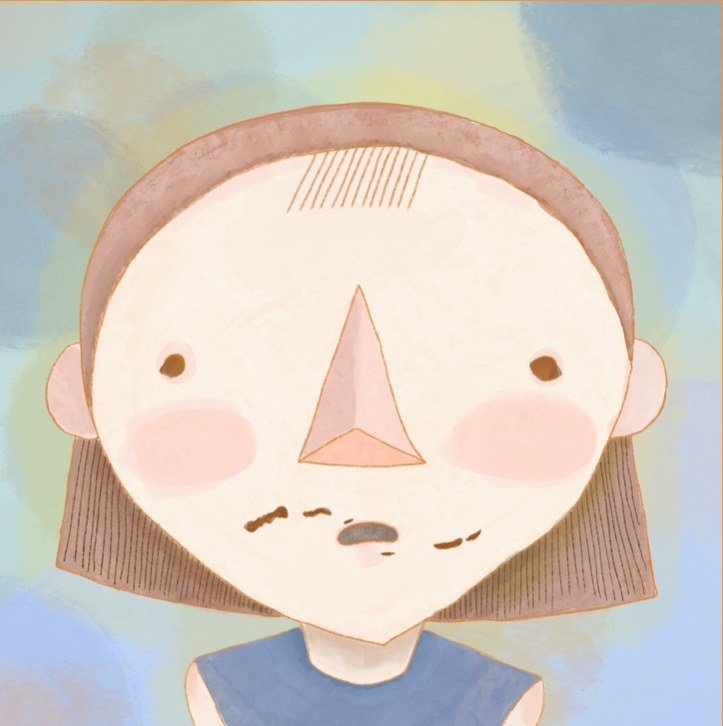
Kanae.
かなえWhat, Nozomi?
何?のぞみお姉ちゃんKanae, do you know where the chocolate that was here went?
かなえ、ここにあったチョコレート知らん?Uh… no, I don’t know.
えっ・・・知らんよKanae! You’ve got chocolate all around your mouth. You ate it! That’s atama kakushite shiri kakusazu.
かなえ!口のまわりにチョコレート、めっちゃついてるで。チョコレート食べてもうてるやん。まさに、頭かくして尻隠さずやで。Sorry, Nozomi…
のぞみお姉ちゃん、ごめんなさい“Chan-chan” is the little “ta-da!” sound that closes a comedy skit in Japan.
Example Sentences
- Pretending you weren’t playing video games doesn’t work if the TV’s power light is still on. Atama kakushite shiri kakusazu.
ゲームをしていないふりをしても、テレビの電源ランプがついたままでは、頭かくして尻かくさずだ。 - You hid the test in your desk, but it’s sticking out – atama kakushite shiri kakusazu!
テストを机の中にかくしたつもりでも、はみ出していては頭かくして尻かくさずだよ。
Similar Japanese Proverbs
- 雉の草隠れKiji no kusagakure
“A pheasant hiding in the grass.” The same story, the same meaning.
Similar Sayings in English
- to bury your head in the sand
- The cat is out of the bag.
“Bury your head in the sand” is about ignoring a problem, so it’s only a close cousin. The Japanese proverb is more about a bad hiding job.
Quick Quiz
Which bird is this proverb about?
- A. A pheasant
- B. A crow
- C. A pigeon
Show the answer
The answer is A. A pheasant. It hides its head in the grass, but its long tail sticks out.
Watch the Lesson (in Japanese)
On my YouTube channel “Kyō kara tsukaeru kotowaza kōza” (Proverbs You Can Use from Today), I explain proverbs with short comedy skits. It’s in Japanese – a fun challenge for learners!
Free Worksheet for Teachers
Teaching Japanese? Download a free printable worksheet for this proverb – with the skit, a fill-in-the-blank, a quiz and a writing task (10 proverbs, A4, with answer key).
Read More
- 50 Japanese Proverbs (Kotowaza) with Meanings – all in one place
- Usotsuki wa Dorobō no Hajimari (嘘つきは泥棒の始まり) – A Liar Is a Thief in the Making
- Kusai Mono ni Futa o Suru (くさいものにふたをする) – Put a Lid on What Stinks
- Kabe ni Mimi Ari, Shōji ni Me Ari (壁に耳あり障子に目あり) – Walls Have Ears, Paper Doors Have Eyes
- 頭かくして尻かくさず(日本語の記事)
- ことわざ 目次(250+ proverbs in Japanese)